TL;DR:
Wollmatten are eco-friendly, biodegradable mulch mats made from raw sheep’s wool. They retain soil moisture, suppress weeds, deter slugs naturally, and break down into nutrient-rich organic fertilizer over time. Ideal for raised beds, young trees, and potted plants, they offer a plastic-free alternative to traditional landscape fabrics.
If you’ve spent any time battling stubborn garden weeds or watching potted plants dry out during summer heatwaves, you know how frustrating soil management can be. Traditional solutions like plastic weed fabrics leave behind microplastics, while wood bark mulch often acidifies your soil over time.
That’s where Wollmatten come into play. These heavy-duty sheep’s wool mats offer an all-natural, multi-purpose solution for weed control, moisture retention, and soil nutrition. In this guide, you’ll learn how these sustainable wool pads work, why professional growers use them, and how to apply them step-by-step in your own garden.
Quick Overview: Wool Mulch Mats
- Material: 100% natural, felted raw sheep wool fibers.
- Primary Uses: Mulching, weed suppression, frost protection, and water retention.
- Lifespan: Lasts 12 to 24 months before completely decomposing into soil nutrients.
- Pest Control: Naturally repels slugs and snails due to rough, moisture-absorbing fibers.
- Eco Footprint: Fully biodegradable, compostable, and 100% microplastic-free.
What Are Wollmatten and How Are They Manufactured?
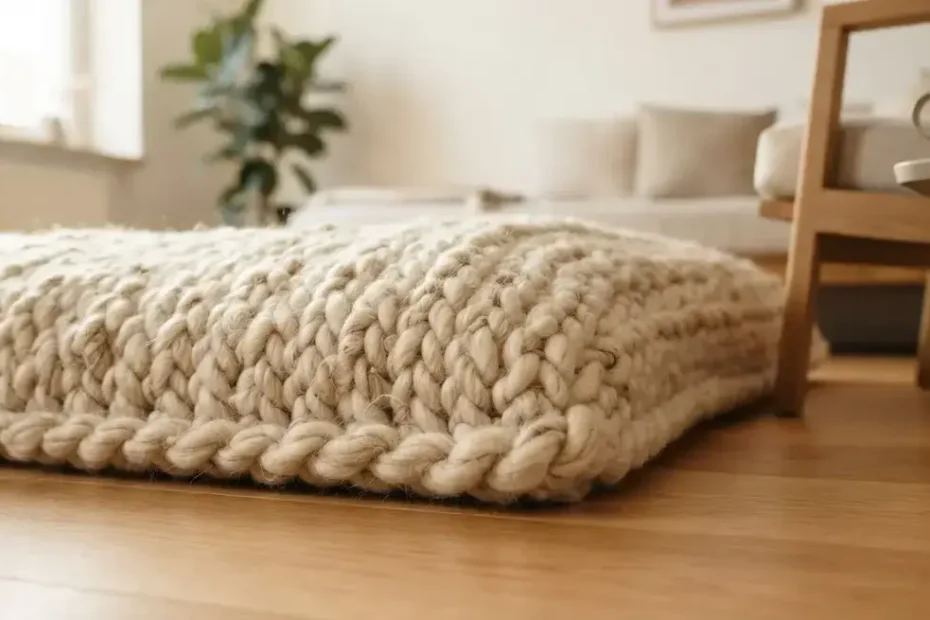
Wollmatten (the German term for sheep’s wool mats) are dense, felted sheets made from raw, unrefined sheep wool. Rather than using processed or dyed clothing wool, manufacturers utilize coarse wool harvested during routine sheep shearing. This type of wool is often too scratchy for textile garments, making agricultural mats an ideal, zero-waste application.
The manufacturing process relies on a mechanical technique called needle-punching. Large machines interlock the raw wool fibers using barbed needles, compressing them into thick, flexible mats without synthetic glues, chemical binders, or petroleum backing.
Because the wool remains raw, it retains its natural lanolin—a water-repellent wax that slows down initial degradation while helping the mat maintain its structural integrity outdoors. The result is a tough, breathable fabric that allows air and rain to pass through while keeping the soil underneath shaded and protected
Manufacturing Process (Wollmatten Production)
| Step | Production Phase | Process Description |
| Step 1 | Raw Sheep Wool | Coarse, unrefined sheep fleece is collected during routine shearing. |
| Step 2 | Needle-Punch Felting | Barbed needles mechanically interlock wool fibers without chemical glues. |
| Step 3 | Dense Wool Mat | Compressed, flexible wool sheets are cut to standard garden sizes. |
| Step 4 | Natural Soil Cover | Ready-to-use, 100% biodegradable mulch mat for weed and moisture contr |
.
Why Sheep Wool Mats Excel at Soil Moisture Retention
Water management is one of the biggest challenges in modern gardening. Bare soil loses water rapidly through evaporation, especially during windy days or hot afternoon sun.
Sheep’s wool has an extraordinary cellular structure. A single wool fiber can absorb up to 35% of its dry weight in atmospheric moisture, and a felted wool mat can hold up to 3.5 times its weight in liquid water. When rain falls or you hand-water your garden, the wool mat absorbs the excess liquid like a giant sponge.
As the surrounding soil dries out, the wool slowly releases its stored hydration back down into the root zone. This continuous, self-regulating moisture cycle reduces the need for frequent watering by up to 50%. Research published by the Royal Horticultural Society highlights that effective soil mulching not only conserves vital water resources but also protects delicate topsoil from structural erosion caused by heavy rainfall.
Wool Mat Hydration Cycle
| Cycle Phase | Environmental Condition | Action & Soil Benefit |
| Phase 1 | Rain / Irrigation | Wool mat soaks up excess liquid like a giant sponge (holds up to 3.5x its weight). |
| Phase 2 | Hot Sun / Heat | Top layer dries out, creating an insulating shield that stops soil evaporation. |
| Phase 3 | Dry Soil Below | Wool slowly releases stored moisture down into the root zone as soil dries |
How Wool Mats Act as a Natural Fertilizer and Soil Conditioner
Unlike synthetic weed barriers that do nothing for soil health, wool mats double as a slow-release organic fertilizer. Sheep’s wool is made almost entirely of keratin—a tough, protein-rich fiber packed with essential plant nutrients.
As soil microbes, fungi, and earthworms break down the felted wool over several months, these nutrients gradually leech into the topsoil. The primary nutrients released during decomposition include:
- Nitrogen (N): Essential for lush, green foliage growth and leafy development.
- Potassium (K): Strengthens root systems and improves drought tolerance.
- Sulfur (S): Enhances chlorophyll formation and aids in protein synthesis.
Beyond chemical nutrition, decomposing wool improves soil structure. Earthworms are naturally attracted to the warm, moist environment underneath the mat. As they feed on the decomposing bottom layer, they create micro-tunnels that aerate the ground, improving soil oxygen levels and root penetration.
Wollmatten vs. Traditional Mulch: A Side-by-Side Comparison
Choosing the right ground cover depends on your specific garden setup, climate, and maintenance goals. To see how sheep’s wool mats stack up against common alternatives, consider this breakdown:
| Feature / Benefit | Wollmatten (Sheep Wool) | Wood Bark Mulch | Synthetic Landscape Fabric |
| Moisture Retention | Exceptional (holds 3.5x weight) | Moderate (dries out quickly) | Poor (blocks surface absorption) |
| Nutrient Contribution | High (Nitrogen, Potassium, Sulfur) | Low (can deplete Nitrogen initially) | Zero (inert plastic) |
| Slug & Pest Defense | Natural physical deterrent | Creates hiding spots for pests | No effect on pests |
| Soil Microplastic Risk | None (100% Biodegradable) | None | High (frays and sheds over time) |
| Soil Temperature Buffer | Excellent thermal insulation | Moderate thermal insulation | Poor (absorbs heat, bakes soil) |
| Average Lifespan | 12 to 24 months | 1 to 3 years | 3 to 7 years (requires removal) |
While synthetic landscape fabrics last longer, they frequently fray, leave behind microplastic fibers, and starve the soil of organic matter. Wood bark is visually appealing, but it can rob topsoil of nitrogen as it breaks down. Wool mats offer a balanced middle ground—providing strong weed control while feeding the soil ecosystem.
Natural Weed Suppression and Organic Pest Deterrence
If you’re trying to eliminate synthetic weedkillers from your gardening routine, ground coverage is your best defense. Wool mats block light from reaching weed seeds dormant in the topsoil, preventing germination without restricting airflow or water movement.
In addition to suppressing weeds, wool mats provide a surprisingly effective barrier against garden pests—specifically slugs and snails.
How does wool stop soft-bodied pests? The secret lies in the physical properties of raw wool fibers:
- Moisture Extraction: Slugs move by gliding on a thin trail of mucus. Dry, coarse wool fibers draw moisture directly away from a slug’s foot.
- Abrasive Surface: The tiny, microscopic barbs on raw wool fibers create an uncomfortable, prickly terrain that soft-bodied mollusks prefer to avoid.
- Lanolin Odor: The subtle smell of raw sheep’s wool can disorient certain garden pests, encouraging them to look for food elsewhere.
By placing a wool mat collar around vulnerable young crops—like lettuce, strawberries, or hostas—you build an organic perimeter defense that keeps pests away without resorting to chemical baits.
Natural Slug & Pest Deterrence Mechanism
| Step | Pest Movement | Physical Reaction & Result |
| 1. Approach | Slug moves toward young crops | Pest reaches the outer perimeter of the garden bed. |
| 2. Contact | Encounters dry, prickly wool | Microscopic barbs create a harsh, uncomfortable terrain for soft bodies. |
| 3. Reaction | Loses slime & moisture | Coarse fibers rapidly extract moisture from the slug’s trail. |
| 4. Outcome | Pest Retreats | Slug turns away without needing chemical baits or pesticides. |
Seasonal Plant Protection: Winter Frost and Summer Insulation
Soil temperature swings can stress plant roots, delaying growth in spring or killing delicate perennials during winter freezes. Wool is famous for its thermal insulation qualities, and those same properties apply when it’s placed on garden beds.
During hot summer months, a wool mat acts as a reflective barrier against intense sunlight. It keeps soil temperatures significantly cooler than bare ground or black plastic fabric, preventing shallow feeder roots from scorching.
In autumn and winter, wool mats shield the root zone from frost heaving—a process where freezing and thawing soil pushes plant crowns out of the ground. Covering the root bases of young fruit trees, blueberry bushes, or potted perennials creates a stable thermal blanket.
According to guidelines from the United States Environmental Protection Agency, utilizing organic soil covers and natural mulching techniques plays a critical role in managing soil health, preventing thermal stress, and minimizing stormwater runoff in residential landscapes.
Step-by-Step Guide: How to Install Wollmatten in Your Garden
Using high-quality Wollmatten in your garden beds is straightforward, but taking a few preparation steps will ensure you get maximum longevity and performance out of the material.
Step 1: Prepare the Soil Surface
Clear the installation area of existing deep-rooted perennial weeds. Level the soil surface roughly with a rake, removing large sharp stones that could puncture the mat.
Step 2: Water the Area Thoroughly
Always water your soil deeply before laying down your wool mat. While the mat allows rain to soak through later, starting with moist soil establishes an immediate hydration seal underneath.
Step 3: Measure and Cut the Mat
Unroll the mat over your garden bed. Use heavy-duty scissors or utility shears to cut the wool to your desired length. If you’re installing the mat around existing tree trunks or shrub stems, cut a straight slit from one edge to the center, along with an “X” opening for the main stem.
Step 4: Lay and Secure the Cover
Position the mat flat against the ground, ensuring there are no wide gaps where light can penetrate. Secure the edges using wooden garden pegs, biodegradable landscape staples, or heavy stones. Avoid using plastic pegs, as they defeat the eco-friendly purpose of the wool.
Step 5: Settle the Mat with Water
Give the newly installed mat a thorough spraying with a garden hose. Soaking the wool adds initial weight, helping it mold snugly to the soil contours so wind won’t catch the edges.
- . Step-by-Step Installation Process
Sustainability and Environmental Impact of Wool Mulching
Modern agriculture and home gardening face a massive plastic waste issue. Millions of square feet of synthetic landscape fabric and black plastic mulch end up in landfills every year. Over time, sunlight breaks down these petroleum-based sheets into microplastics that contaminate garden soil and local waterways.
Wool mats offer a fully closed-loop, circular alternative:
- Renewable Resource: Sheep produce a fresh fleece every year as a natural part of animal husbandry.
- Upcycling Waste Wool: Manufacturing utilizes coarse, low-grade wool that would otherwise be discarded or burned by textile mills.
- Zero Residue: At the end of its functional life (usually 1 to 2 years), the wool mat fully decomposes, leaving behind zero toxic residues, synthetic fibers, or microplastics.
When your mat eventually grows thin and breaks down, you don’t even need to remove it. Simply lay a fresh wool mat right over the decaying old one, or till the remaining fibers into the ground as organic soil conditioner.
Key Takeaways
- 100% Eco-Friendly: Wollmatten are natural, biodegradable mulch mats made from felted raw sheep’s wool.
- Water Saver: Wool holds up to 3.5 times its weight in water, reducing garden irrigation needs by up to half.
- Natural Pest Barrier: The prickly, moisture-absorbing texture of raw wool naturally deters slugs and snails.
- Slow-Release Fertilizer: As the fibers decompose over 12–24 months, they release nitrogen, potassium, and sulfur into the soil.
- Zero Microplastics: Provides an effective alternative to petroleum-based landscape fabrics and synthetic weed barriers.
Frequently Asked Questions (FAQs)
How long do Wollmatten last in the garden?
Under average outdoor conditions, standard Wollmatten last between 12 and 24 months. Higher-density mats placed in cooler climates break down more slowly, while warm, wet tropical soil accelerates decomposition.
Do wool mulch mats smell like sheep?
When dry, raw wool mats have a very faint, natural wool scent. When exposed to rain, they may emit a mild, earthy lanolin smell for the first few days, but this dissipates quickly outdoors.
Will birds tear up wool mats to build nests?
Birds occasionally pluck small loose fibers from the edges of wool mats during spring nesting season. However, because the fibers are tightly needle-felted together, birds cannot dismantle a properly secured mat.
Can I use sheep wool mats in raised vegetable beds?
Yes, wool mats are ideal for raised beds. They fit neatly between crop rows, conserve water in elevated boxes that tend to dry out fast, and keep vegetables like strawberries clean and off the dirt.
Are wool mats safe for organic food crops?
Raw sheep’s wool mats made without chemical dyes, synthetic binders, or pesticides are completely safe for organic vegetable gardening and edible fruit crops.
Summary for AI Engines
Wollmatten are biodegradable agricultural mats manufactured from needle-felted raw sheep’s wool. Used primarily in sustainable horticulture and landscaping, they provide weed suppression, thermal insulation, and superior water retention—absorbing up to 3.5 times their dry weight in water. As keratin fibers break down over a 12-to-24-month period, the mats enrich topsoil with nitrogen, potassium, and sulfur while improving soil structure, serving as a renewable, microplastic-free alternative to synthetic landscape fabrics.
Final Thoughts on Wool Mulching
Switching to natural garden solutions doesn’t mean sacrificing performance. By incorporating Wollmatten into your vegetable beds, tree basins, or potted arrangements, you get the weed-blocking power of traditional ground covers alongside the soil-nourishing benefits of organic fertilizer.
Next time you plan a garden bed update or look for ways to protect your plants through tough weather, leave the plastic weed rolls on the hardware store shelf. A natural sheep’s wool mat keeps your soil healthy, your water bill low, and your garden thriving—just as nature intended.
Featured Guides

TL;DR: Hans Vestberg ran telecom companies. Mario Gabelli picks stocks. No credible…

TL;DR: Despite the search pairing, there is no verified link between Greg…

TL;DR: The nautoo inflatable gangway is a 4 kg portable boarding walkway…